An editorial exploration of where linen comes from, how it is certified, and how to care for it responsibly—through East/West perspectives that celebrate tradition, innovation, and durable, planet-friendly textiles.
Linen has long stood at the crossroads of geography, culture, and craft. From the flax fields of Europe to the linen mills of Portugal and Belgium, the fiber carries with it histories of trade routes, artisanal skill, and a modern promise of sustainable comfort. In this piece, we trace the linen journey from the flax farm to the finished textile, with a sharp eye on sustainability, certification, and practical care. Our East/West framing highlights how regional practices shape quality, transparency, and environmental responsibility—recognizing that a truly sustainable linen product is more than fabric; it is a story about people, places, and processes.
To bring these ideas to life, we meet three key figures spanning different eras who illuminate linen’s past, present, and future. Each voice helps us understand why certification matters, how flax farming practices can influence environmental outcomes, and what readers can do to extend the life of their linen linens at home.
Today’s linen markets blend heirloom Belgian and Dutch weaving heritage with modern sustainability programs, such as GOTS (Global Organic Textile Standard) and Belgium’s Belgian Linen label. East/West collaborations bring new regional strengths—European flax and Portuguese weaving, coupled with East Asian and South Asian textile know-how in dyeing, finishing, and scalable production. The result is linen that is not only luxurious and practical but also more traceable and responsible than ever before.
The linen journey often begins in flax fields on continental Europe’s northern plains, where long-staple flax fibers are nurtured under cool climates and careful agricultural stewardship. European mills then spin and weave this fiber, producing cloth that carries a crisp, cool hand. In the East, traditional dyeing techniques, plant-based finishes, and time-honored weaving motifs contribute depth and texture to linen textiles and home decor. West-to-East and East-to-West exchanges have historically enriched linen practices, leading to a global ecosystem of responsible linen that respects local crafts while embracing scalable, sustainable production methods.
Beyond geography, the supply chain is shaped by social and environmental accountability. Brands increasingly require transparent supply chains, third‑party certifications, and robust documentation of fiber content, processing steps, and third-party audits. The goal is a linen product that is traceable, ethically produced, and durable enough to withstand decades of use.
Care instructions matter just as much as composition when it comes to longevity. Linen thrives with simple, gentle care that preserves its character—stone-washed textures, pick stitching, and natural finishes all benefit from mindful laundering. The best care practices include washing in cold or warm water with mild detergent, avoiding high-heat drying that can shrink or warp, and air-drying when possible to minimize energy use. Proper care reduces pilling, preserves colorfastness, and sustains the fabric’s breathability and fiber integrity over many seasons.
When it comes to finishing, plant-based softeners or minimal chemical interventions help keep linen’s natural texture, while modern stone-washing processes can produce softer fabrics without compromising strength. This balance—between traditional craft and contemporary sustainability—defines today’s credible linen brands.
A symbolic figure representing the long history of linen across Eastern Mediterranean and Near Eastern textile traditions. While not a single person, this archetype embodies the ancient craft of linen spinning and weaving, the early trade routes that moved flax fibers across empires, and the emergence of linen as a staple household textile in cultures spanning Asia and Europe.
A representative of European flax farming and Belgium/France weaving traditions, illustrating how the early industrial era shaped flax cultivation, spinning, and weaving. Her sphere suggests the shift toward mechanization, quality standards, and the early seeds of modern certifications that would later be formalized into GOTS-style frameworks.
A modern advocate for transparent supply chains, cross‑border collaboration, and ethical sourcing. Mei Lin Chen embodies today’s push for certifications like GOTS and the Belgian Linen label, and she champions consumer education about how flax farming, processing, and dyeing affect sustainability metrics and long-term textile health.
When evaluating linen—or planning a project with linen textiles—it's essential to ask: Where does the flax come from? How is the fiber processed, spun, and woven? What certifications back up environmental claims, and who audits them? The East/West perspective reminds us that quality is a function of both geography and governance: European flax grown under stringent agronomic standards, combined with transparent processing in Portugal, Belgium, and beyond, can yield textiles with a clarity of purpose and a lighter environmental footprint.
Consider the role of consumer education in shaping industry standards. Readers who understand certification criteria can better discern claims and support brands that invest in credible certifications, fair labor practices, and responsible water and energy use across every stage of production. This aligns with a broader mission: to keep linen alive as a sustainable, luxurious, and truly enduring material.
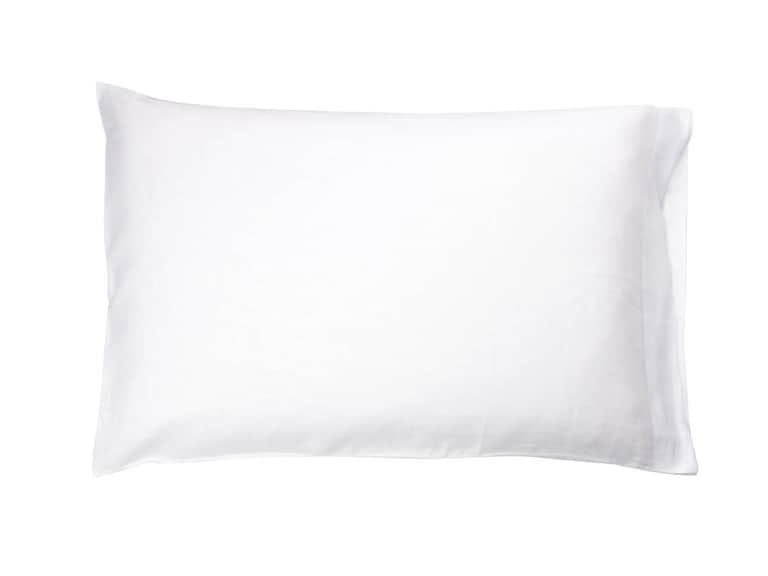
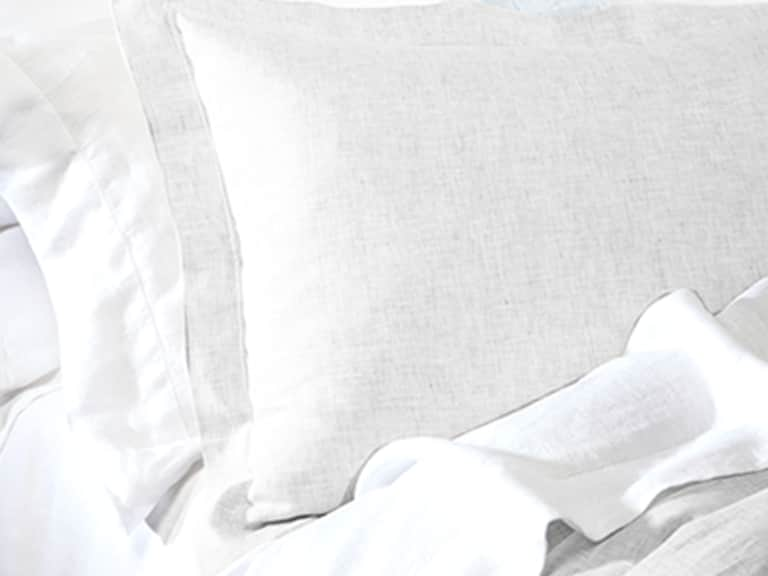
The Layla Linen Duvet Cover from DownTown Company embodies the modern, sustainable linen ethos: 100% flax linen, stone-washed for softness, and finished with a hemstitch and a simple flange. Produced in Portugal by a mill with over a century of textile expertise, Layla’s loose weave promotes breathability and comfort while improving with every wash. It’s the kind of product that feels both effortless and refined—an authentic foundation for a calm, sleep-ready bedroom.
Care is straightforward: machine wash warm, tumble dry low, and iron if desired. The Layla duvet cover is designed for year‑round use, delivering a relaxed yet tailored look in classic white that suits a wide range of interior styles.
Brand: DownTown Company
Material: 100% linen
Price: $535.00
Made in Portugal; hemstitch and flange detailing; stone-washed softness.
Note: Images are provided for reference. Availability may vary by retailer.
From field to finished textile, learn the stages of linen production: flax cultivation, retting, breaking, scutching, hackling, spinning, weaving, and finishing. Each step affects texture, weight, and durability, with certifications tracing back to the raw materials and processing steps.
Machine wash cold or warm, avoid high heat, and line dry when possible. For wrinkles, a light iron on cotton setting after dampening keeps linen crisp without harsh heat. A little plant-based softener can soften the fabric over time while remaining gentle on the fibers.
GOTS, Belgian Linen label, and EU eco-labels provide independent verification of organic farming, responsible processing, and sustainable production practices. Understanding these marks helps consumers make informed choices about the environmental and social footprint of their linen textiles.
In line with Direction C—focusing on linen as a material with a balanced East/West perspective—the content here underscores education, sourcing integrity, and practical care. The aim is to create an authoritative, non-commercial resource that informs readers about the origins of linen, the standards that govern its production, and the daily habits that extend its life while minimizing environmental impact. The result is a site that readers trust for clear explanations, credible references, and thoughtful design that respects the material’s heritage and its future.
As a final note, the East/West lens is not about division but collaboration. By recognizing Europe’s flax farming and Belgian weaving traditions alongside Asia’s dyeing crafts and emerging transparency initiatives, Eastern Linens can become a platform for cross-cultural learning, responsible storytelling, and durable, sustainable textiles that elevate everyday life.
For readers who want to dive deeper, consider exploring resources on GOTS certification, the Belgian Linen label, and major flax farming regions in Europe. Museums, universities, and industry publications offer historical and technical perspectives that complement consumer-focused guides and product spotlights.