Textile Notes · Bedding
From Flax to Finished Cover: How Naturepedic Organic Linen Duvets Are Made
A linen duvet cover begins long before it reaches a bedroom. Its story starts with flax grown in France, continues through the transformation of plant fiber into cloth, and ends with finishing and care choices that shape how the fabric feels and lasts. Following that path reveals why origin, processing, and everyday habits all matter.
Published October 29, 2026
Linen has a way of looking both relaxed and considered. Its natural texture is visible rather than hidden; a crease can feel like part of its character, not a flaw to be pressed away. But the appeal of linen bedding is not only a matter of appearance. The fabric has a practical story, too: it is made from flax, a plant fiber shaped by cultivation, processing, spinning, weaving, and finishing.
Naturepedic’s organic linen duvet covers offer a useful example of how those stages can span several places. The product information describes flax grown in France and linen made in India at a GOTS-certified organic facility. Those details are not contradictory. They describe different parts of a textile’s journey: where the raw material is cultivated and where it is turned into finished fabric and bedding.
Understanding that distinction helps make a product label more meaningful. It also brings the story back to the object itself: a duvet cover meant to be used, washed, and lived with. From the field to the bedroom, each step contributes something different to the finished cloth.
First, what exactly is linen?
Linen is a fabric made from the fibers of the flax plant, Linum usitatissimum. The plant is grown for a variety of uses, and its long bast fibers—found in the stem—can be processed into yarn and woven into cloth. The word “linen” is often used casually to mean bedding or household textiles in general, but in a fiber description it refers specifically to fabric made from flax.
That distinction matters when comparing materials. A cotton sheet and a linen sheet may serve the same purpose, but their fibers and fabric structures differ. Linen is often recognized by its irregular surface, crisp-to-relaxed hand, and visible slubs: small variations in yarn that are a natural feature of the fiber and spinning process. A finished cloth’s feel also depends on yarn preparation, weave, weight, washing, and other finishing steps. “Linen” alone does not tell the whole story.
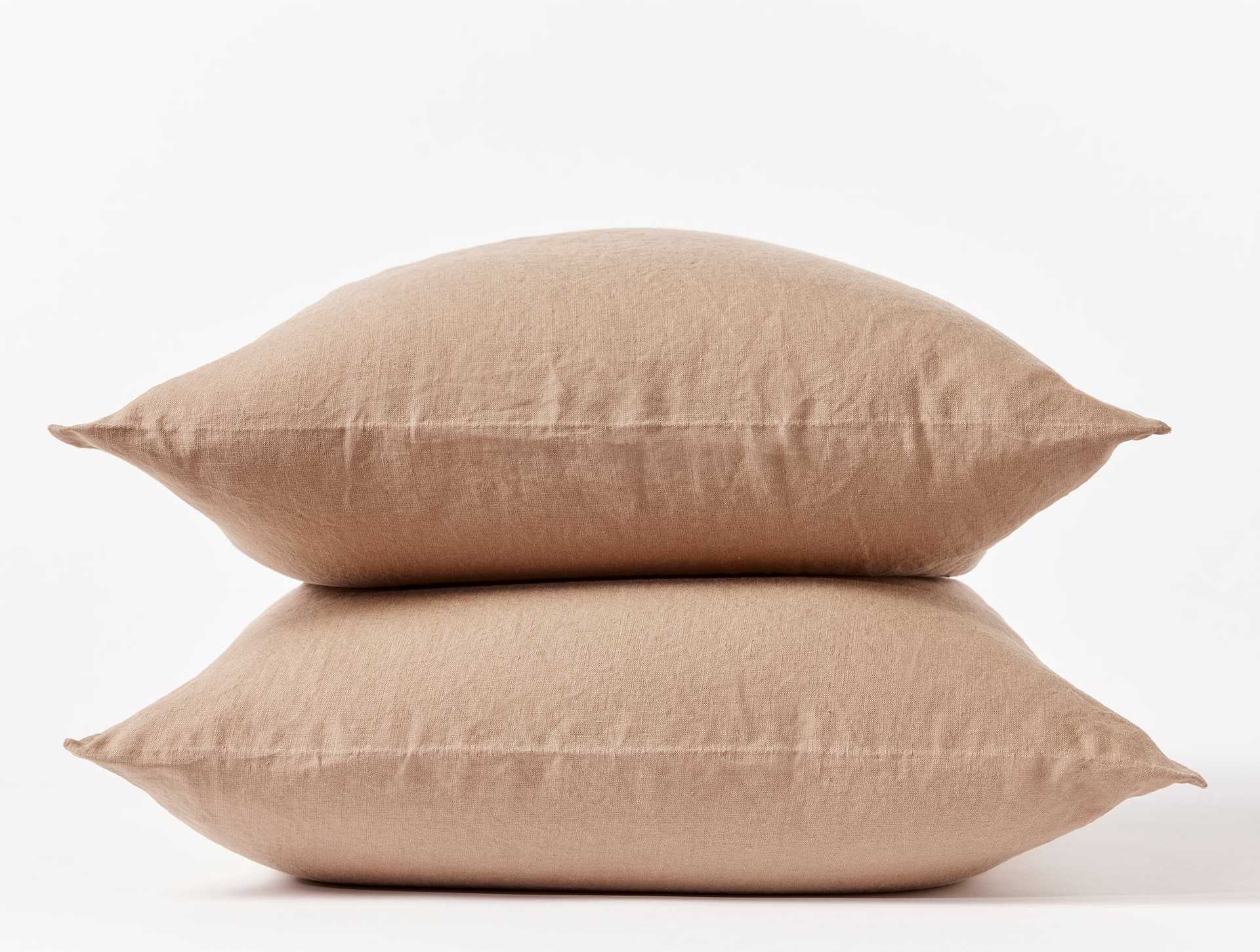
For bedding, these details influence the experience of handling the fabric and its behavior over time. The Naturepedic duvet cover is described as a 185-gram-per-square-meter organic linen, stone-washed and made from flax grown in France. It is offered in earth-toned colors, with corner ties intended to help secure a duvet insert. Those specifications provide a more useful picture than a broad label alone: fiber content, weight, finish, and construction each answer a different question.
The journey begins in the field
Before there is yarn, there is a crop. Flax cultivation is the first link in the chain, and the French origin specified for this linen identifies where the plant fiber begins its journey. Growing location can matter for provenance and traceability, but it should not be mistaken for a complete account of a textile’s environmental footprint. Weather, agricultural practices, processing, transport, energy use, and the product’s useful life all contribute to a broader assessment.
The term “organic” adds another layer of information. In this product’s description, the linen is identified as GOTS-certified organic. GOTS—the Global Organic Textile Standard—is a certification framework covering organic textile processing and related environmental and social criteria. Certification is more informative than an unverified claim, but it does not mean a shopper knows every detail of a supply chain simply by seeing the word on a page. The scope of a certificate, the facility it covers, and the product’s current documentation are all relevant.
It is also important to separate crop origin from manufacturing location. The flax for the Naturepedic duvet covers is described as grown in France, while the finished linen is made in India at a GOTS-certified facility. The first statement concerns agricultural provenance; the second concerns textile production. A product can draw on raw material from one country and undergo processing in another. Reading both pieces together gives a more complete, if still not exhaustive, picture.
From plant stem to usable fiber
Turning flax into linen is not a single operation. After harvesting, the stalks are processed so that usable fibers can be separated from other plant material. Traditional and modern methods differ, and manufacturers may use different equipment and sequences. Without detailed mill records, it is better not to assume exactly which techniques a particular bedding line uses. What can be said generally is that the fibers must be extracted, cleaned, prepared, and aligned before they can be spun into yarn.
Fiber preparation has a direct relationship to the yarn that follows. The way fibers are sorted and drawn out influences their consistency, strength, and appearance. Spinning then twists prepared fibers into yarn. The yarn’s thickness and character help determine the finished textile’s weight and surface. A fabric description may state a weight, but it usually does not disclose every technical choice made along the way, such as yarn counts or precise loom settings.
That is why responsible reading means balancing curiosity with evidence. A product page can tell you that the fabric is linen, provide its weight, identify where the flax was grown, and describe its finish. It may not provide a complete production dossier. For readers who want greater detail, useful questions include whether the brand can identify the certified facility, clarify which stages the certification covers, and explain how the fiber and fabric are tracked between locations.
Weaving gives the yarn its structure
Once yarn is ready, it is interlaced to create cloth. Weaving brings lengthwise and crosswise yarns together, and the arrangement affects the fabric’s structure, drape, and surface. The exact construction used for the Naturepedic cover is not specified in the available product description, so it would be misleading to assign it a particular weave. The broader point is that fiber content does not determine feel on its own; construction matters just as much.
A fabric’s weight is one helpful clue. At 185 gsm, or grams per square meter, the Naturepedic linen has a measurable weight that can be compared with other textiles when specifications are available. Weight does not, by itself, prove softness, quality, durability, or warmth. Those qualities depend on a combination of fiber, yarn, weave, finishing, and use. It is best treated as one part of a description rather than a stand-alone verdict.
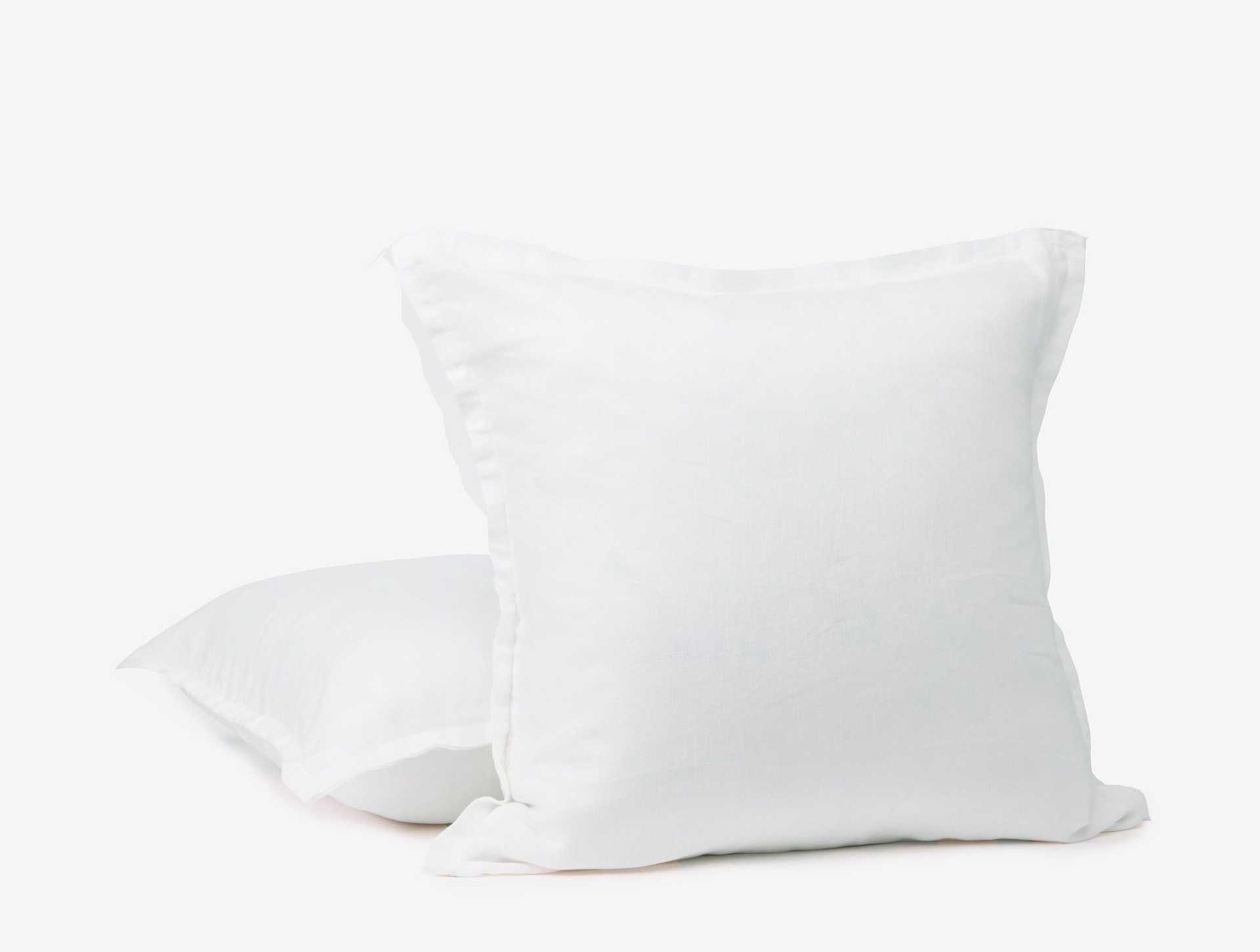
The product details also state that the duvet cover set includes the cover and two pillow shams. Corner ties are included to help hold the comforter in place. Such construction details may seem modest beside the story of organic flax, but they matter in daily use. A secure insert can make bed-making easier and reduce shifting inside the cover. When comparing duvet covers, the closure, internal ties, dimensions, and included pieces are practical details worth checking alongside fiber and origin.
What stone-washing changes
Stone-washing is a finishing method used to create a softer, more relaxed hand and a gently lived-in appearance. The phrase can bring to mind stones tumbling with cloth, though the specifics of a commercial finishing process depend on the facility and should not be inferred from the name alone. In the Naturepedic description, stone-washing is presented as part of the duvet cover’s finish and as a contributor to its comfort and durability.
Finishing comes after the fabric has been formed, and it can influence how a textile feels when new. A washed finish may reduce the initial crispness some people associate with untreated linen, while emphasizing the fabric’s drape and texture. It does not make all linen identical, nor does it eliminate the need for careful laundering. Softness is subjective, and the way a fabric develops depends on its construction and how it is used and cared for.
There is a useful difference between a fabric that is softened before it reaches the home and one that becomes more supple through repeated washing. Many linen textiles change with use; the product information for these covers says they become softer with every wash. That gradual change is part of linen’s appeal for people who prefer bedding that evolves rather than stays exactly as it was on the first night.
Organic certification: what it says, and what it doesn’t
Certification can help readers distinguish a verified standard from a general marketing phrase. GOTS is associated with organic textile processing and includes requirements that extend beyond the mere presence of organic fiber. In this case, the product description identifies the linen as GOTS-certified organic and says the textile is made in a GOTS-certified facility in India.
That is meaningful information, but it is not a universal guarantee that every environmental question has been answered. Certification does not automatically tell a consumer the full energy profile of production, the exact route taken by materials, the number of years a finished item will last, or how it will be disposed of. Nor should certification language be extended beyond its documented scope. A careful reader can treat it as one credible element in a larger assessment, alongside material composition, manufacturing location, durability, care needs, and supply-chain transparency.
For a product-specific review, look for current certification references and clear descriptions of what is certified. If a page names the growing region, weaving or manufacturing location, and certification, those are useful points of departure. More detailed questions can include whether the certificate covers the relevant facility and processing stages, and whether the brand can provide additional sourcing information. A good label opens the conversation; it does not have to end it.
Care is part of the textile’s life story
A well-made duvet cover still needs appropriate care. The Naturepedic instructions call for machine washing in warm water, tumble drying on low, warm ironing if desired, and no bleach. Following the manufacturer’s directions is the safest starting point because finishes, stitching, and dye choices can vary from one linen textile to another.
Before washing, close fasteners where applicable and check the care label for any updated instructions. Avoid cramming a large duvet cover into a tightly packed machine. Fabric needs room to move through water and rinse properly; an overloaded drum can encourage twisting and uneven cleaning. Use a suitable amount of detergent, and skip bleach unless a care label explicitly permits it. Chlorine bleach can damage fibers and affect color, while residue from excessive detergent may leave cloth feeling less pleasant.
Low-heat drying helps limit unnecessary exposure to heat. Removing bedding promptly can reduce deep creasing, although linen naturally wrinkles and need not be pressed into a perfectly smooth surface. If you prefer a neater finish, the listed instructions allow warm ironing. A slightly relaxed look is equally consistent with linen’s character. The goal is not to erase every crease but to keep the textile clean and comfortable without subjecting it to harsher treatment than necessary.
Care routines also influence how often a textile is replaced. Washing only when needed, following the garment or bedding label, and handling fabric gently can help preserve its useful life. There is no single schedule that suits every household: climate, personal preference, pets, allergies, and how the bed is used all play a role. A care guide should support practical decisions, not turn routine laundry into a complicated ritual.
How to assess a linen duvet cover thoughtfully
When comparing linen bedding, begin with the information that can be checked. Confirm that the fiber is listed as 100% linen rather than a blend if pure linen is what you want. Look for a stated fabric weight, manufacturing details, care instructions, and the components included in the set. Check dimensions carefully: duvet sizes and naming conventions can vary, and a cover that is too small or too large may not sit as intended.
Next, read origin claims precisely. “Flax grown in France” identifies the crop’s stated origin; it does not mean that every subsequent step happened there. “Made in India” identifies a manufacturing location but does not, without further detail, describe the full route of every input. These descriptions can coexist and should be read as separate points in a product’s provenance.
Finally, consider how the item fits your own priorities. A natural fiber may appeal because of its texture, breathability, or relationship to a particular design style, but comfort is personal. Some sleepers prefer the crispness of a new linen surface; others like the softer, broken-in feel that develops over time. A stone-washed finish may suit someone seeking a relaxed look from the start, while another person may prefer a different hand. No specification can substitute entirely for preference.
A quieter kind of luxury: knowing what you are sleeping under
The journey from flax to duvet cover is a reminder that textiles are made through connected decisions, not a single label. In this example, French-grown organic flax becomes linen made in a GOTS-certified facility in India, then receives a stone-washed finish and is assembled as bedding. The product details describe a 185 gsm fabric, a duvet cover with two shams, and care instructions designed for regular home laundering.
For anyone considering the specific set, the Naturepedic Organic Linen Duvet Cover Sets product page provides its sizes, colors, included pieces, and care information. Reading those details alongside the broader material story can make the choice more informed without turning sustainability into a promise that no single product can prove on its own.
That is the enduring appeal of a well-understood textile: it can be beautiful, useful, and traceable in ways that invite closer attention. Linen’s character begins in a plant, takes shape through skilled processing, and continues to change at home. The finished cover is not just the end of a manufacturing sequence. It is the beginning of a long, ordinary relationship with the fabric—one wash, one night, and one comfortable morning at a time.
Quick reference: the Naturepedic linen duvet journey
- Fiber: Organic flax linen, with flax described as grown in France.
- Manufacturing: The linen is described as made in India at a GOTS-certified organic facility.
- Fabric weight: 185 gsm.
- Finish: Stone-washed for a more relaxed hand.
- Set contents: Duvet cover and two pillow shams; corner ties help secure the insert.
- Care: Machine wash warm, tumble dry low, warm iron if desired, and do not bleach.
Product specifications and care details can change. Always consult the current product information and sewn-in care label before laundering.