Tablecloths serve both protective and decorative roles in dining spaces, shielding tabletops from spills while enhancing ambiance. They come in a variety of materials, weights, and weaves that influence durability, drape, and ease of maintenance. Understanding fabric choices helps match tablecloths to occasions, settings, and table dimensions for functional presentation.
Common options include cotton, linen, blends, and synthetic fabrics, each offering distinct benefits. Natural fibers tend to be breathable and absorbent, suited for everyday use and casual gatherings, while blends can provide improved stain resistance and ease of care. Widths and heights are chosen to accommodate rectangular, round, or square tables with appropriate overhang.
In addition to size considerations, tablecloths feature finishes such as pre-washed, iron-free, or wrinkle-resistant treatments that affect laundering needs and presentation. Finishes can influence softness, texture, and the overall aesthetic, ranging from crisp formal looks to relaxed, matte textures suitable for everyday dining environments.
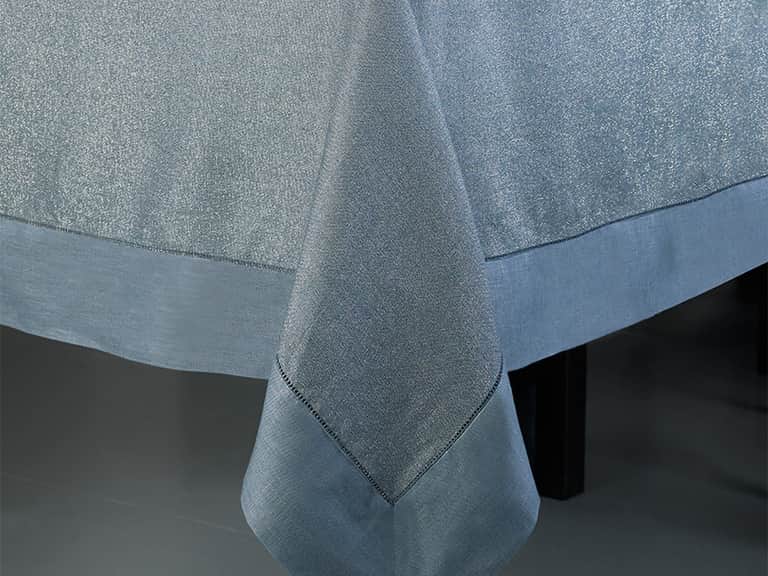
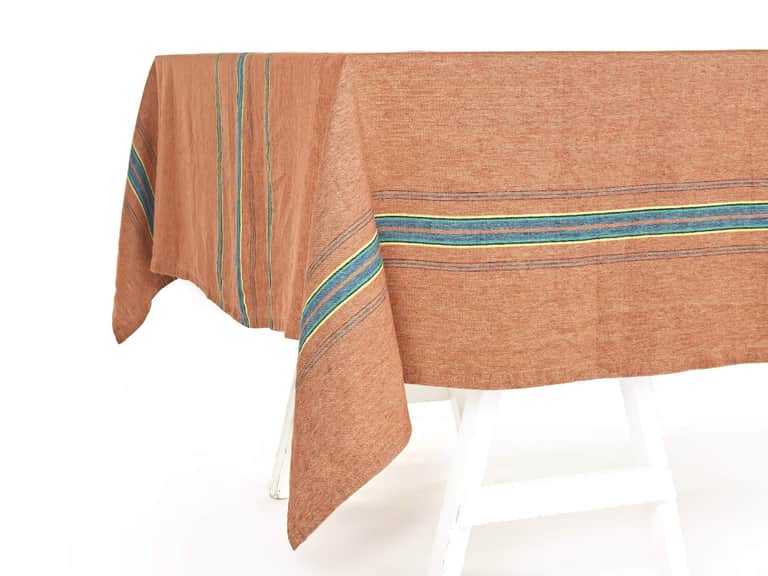
The Reece Tablecloth exemplifies a design that blends practicality with refined style, offering features like durable weave, easy-care fabric, and a flattering drape. Functional benefits include protection for tabletops, easy cleanup after meals, and compatibility with coordinating napkins and runners to achieve cohesive table settings.
When evaluating tablecloths for educational or hospitality contexts, consider weight, fiber content, care requirements, and compatibility with existing dinnerware. Meta keywords such as bedding, sheets, table, tablecloths, and throws highlight related textiles relevant to room aesthetics and functional dining spaces, reinforcing the interconnected role of textiles in interior environments.
 Table
Table